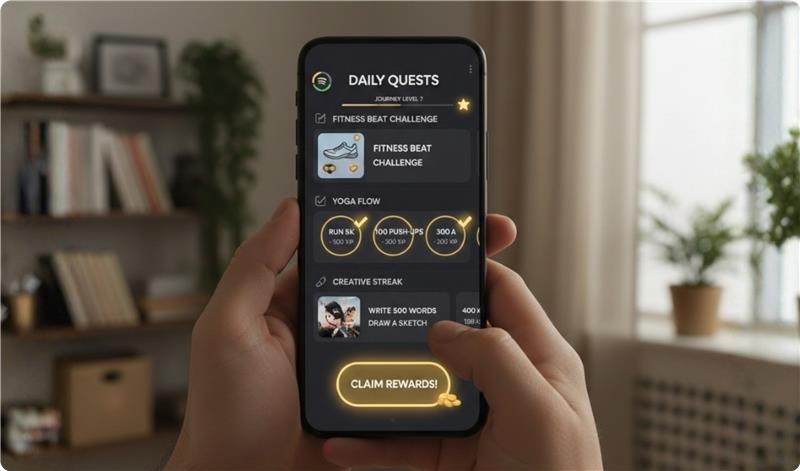
We’re at an interesting point in the evolution of AI. The technology is getting smarter by the day, yet many AI products still fall flat when it comes to engaging people. They answer questions. They automate tasks. They personalize content. But somewhere along the way, they miss what makes an experience memorable or habit-forming: genuine human motivation.
This is where the Octalysis Framework becomes extremely valuable. Created by gamification expert Yu-kai Chou, Octalysis breaks down human motivation into eight core drives. What makes it powerful is that it helps us think beyond functionality and start designing for the emotional reasons people keep coming back to a product.
If you look at the AI tools or digital products that have truly taken off in the past few years, almost all of them tap into these motivational triggers—sometimes very intentionally, sometimes by accident.
Duolingo, for example, combines AI-powered learning with streaks, XP points, timely reminders, and playful characters. The AI teaches you the language; the gamified design keeps you motivated long enough to learn it.
Spotify leans heavily on ownership and identity—your playlists, your mix, your Wrapped. Even though the recommendations come from machine learning models, the experience feels deeply personal.
Notion AI rewards progress and give a sense of mastery by helping users work faster and clean up messy information.
Fitbit and similar health platforms pair AI insights with badges and gentle nudges that remind you not to break your streak. These examples make one thing very clear: AI might be the engine, but motivation is the fuel.
When we apply Octalysis to AI systems, it changes the way we approach design. Instead of simply asking, “What can the AI do?”, we start asking, “Why would someone want to keep using this?”
That shift turns an efficient tool into an experience people enjoy, trust, and return to.
There are three big benefits to thinking this way:
- AI interactions feel more human.
Not emotionally manipulative—just more considerate of how people naturally behave and stay motivated. - User engagement becomes sustainable.
Instead of novelty-driven spikes, products build real habits and long-term value. - It helps differentiate products in a crowded AI market.
As many AI tools begin to offer similar capabilities, the emotional experience becomes the differentiator.
Gamifying AI doesn’t mean turning every product into a game. It simply means acknowledging that humans respond to progress, recognition, creativity, curiosity, social connection, and even a little bit of pressure not to lose what they’ve built. Octalysis gives designers a structured way to incorporate these drivers responsibly and thoughtfully.
As AI becomes more woven into our daily workflows, the products that stand out will be the ones that strike the right balance between intelligence and motivation. If AI is the “what,” Octalysis helps us understand the “why”—and that’s where real engagement begins.
Is your AI product smart enough to keep users coming back? Don’t settle for an algorithm that just works—build an experience that captivates. Contact us today.